
Home › Photo Editing › Turn Your Photo Into a Three-Year-Old's Crayon Drawing
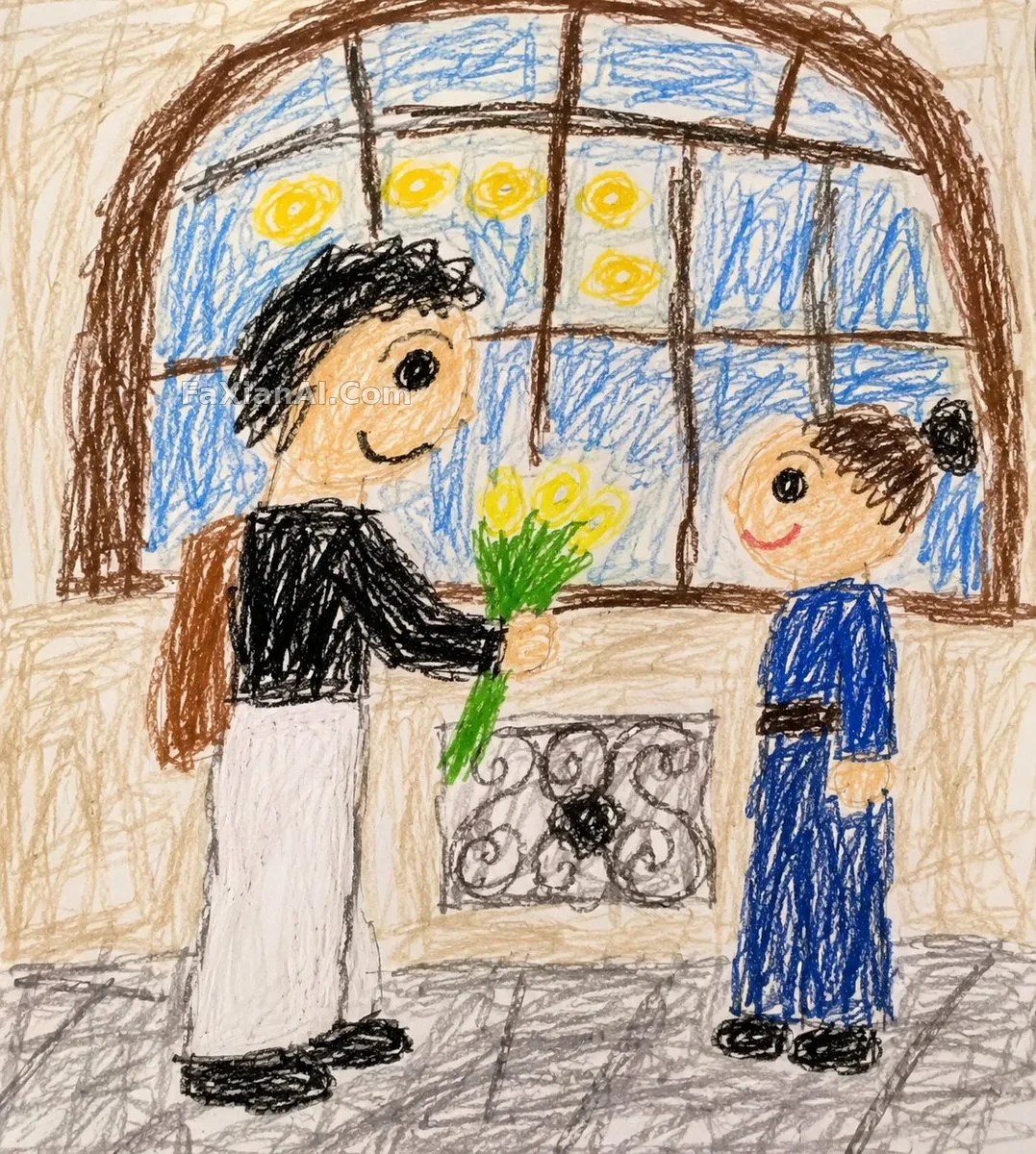
Turn Your Photo Into a Three-Year-Old's Crayon Drawing
Don't expect it to look accurate — the more crooked and ugly, the more on-target it is; that's the real skill level of a three- or four-year-old.
✍️ The whole trick of this prompt is one sentence: the more wrong it looks, the more it succeeds. Setting the age at three or four isn't arbitrary — by five or six, kids already start caring about symmetry, and that reckless, clumsy charm disappears. For a stable result, it's worth pushing the wobbly-line instruction even harder.
📋 Prompt Natural Language748 characters
Take the attached photo and redraw it entirely in crayon, as if [child age: a toddler around three or four years old] had a go at it. Aim for silly, clumsy, adorably-bad energy — like the kid half-recognized what they saw and just went for it anyway. Lines wobble instead of staying straight; skip anything resembling adult composition, correct proportions, real anatomy, careful shading, or polish. Let it come out awkward, naive, a bit uneven and random, seen entirely from a toddler's point of view — messy, funny, and loosely related to the source image is completely fine. Style: [style: childlike crayon drawing], scribbly rough lines, lopsided shapes, a handful of simple colors, wonky proportions, free interpretation of the attached photo.
Related Cases
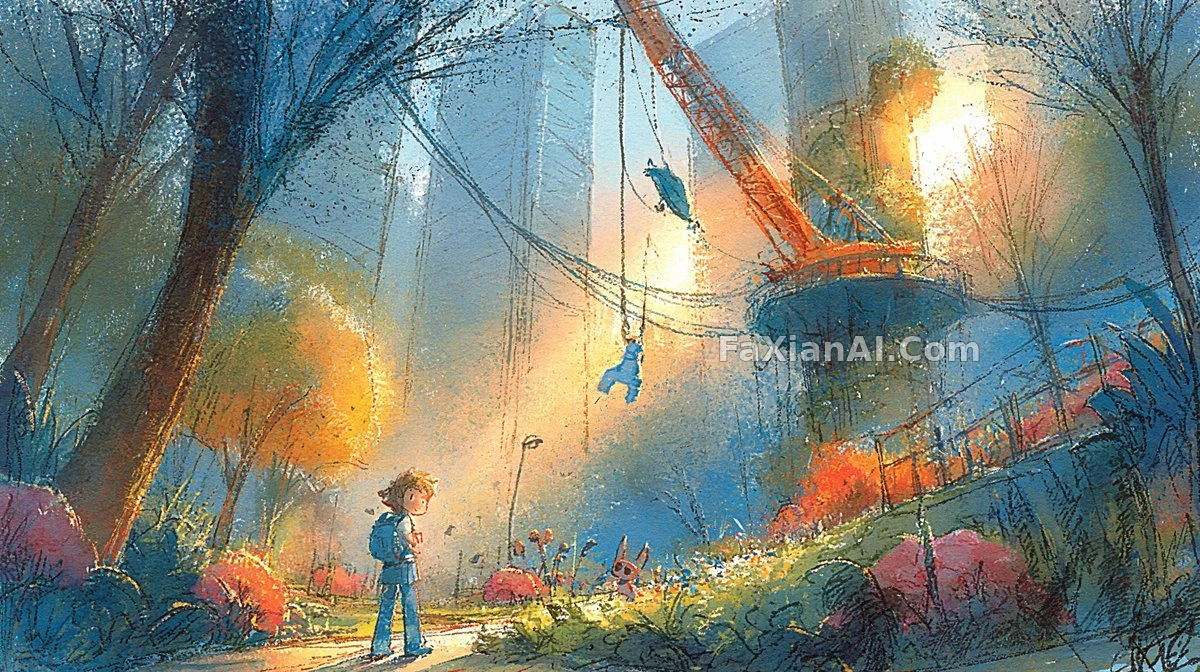 Dusk Park Scene, Stripped to Just the Art
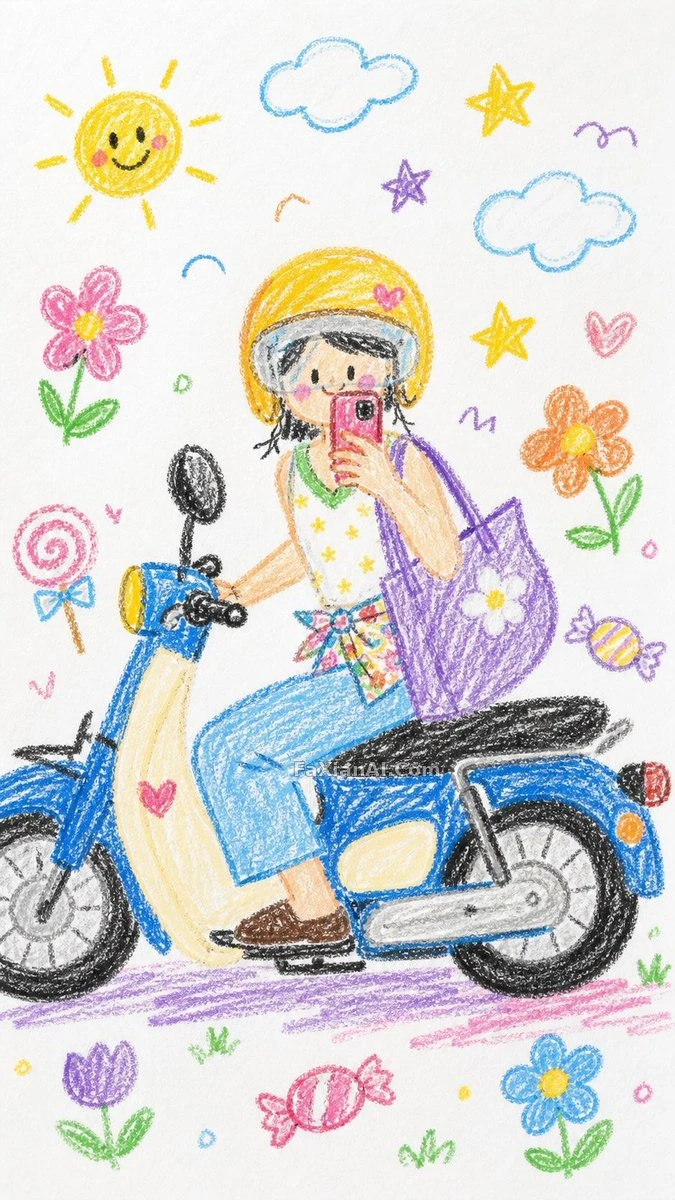 Crayon-Style Kid-Drawn Photo Transform
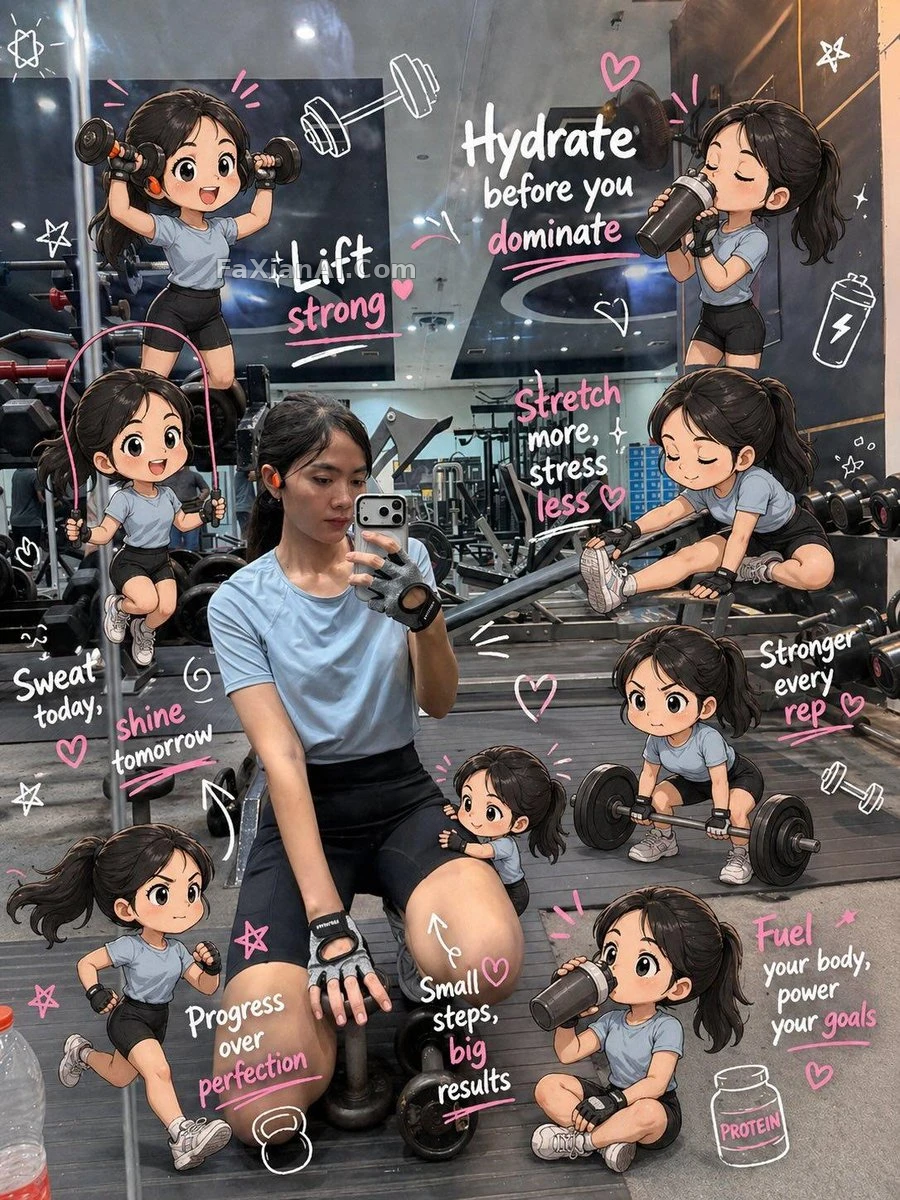 Gym Photo Plus Chibi Clones, Scrapbook Doodles All Around
 Locked Composition, Only the Face Swapped
 Blow the Character Apart Into Neon Signal Glitches
 Recoloring the Geometric Poster: Leaving Composition and Edges Completely Untouched