
"How Side Light Separates Clay, Glass and Fiber"
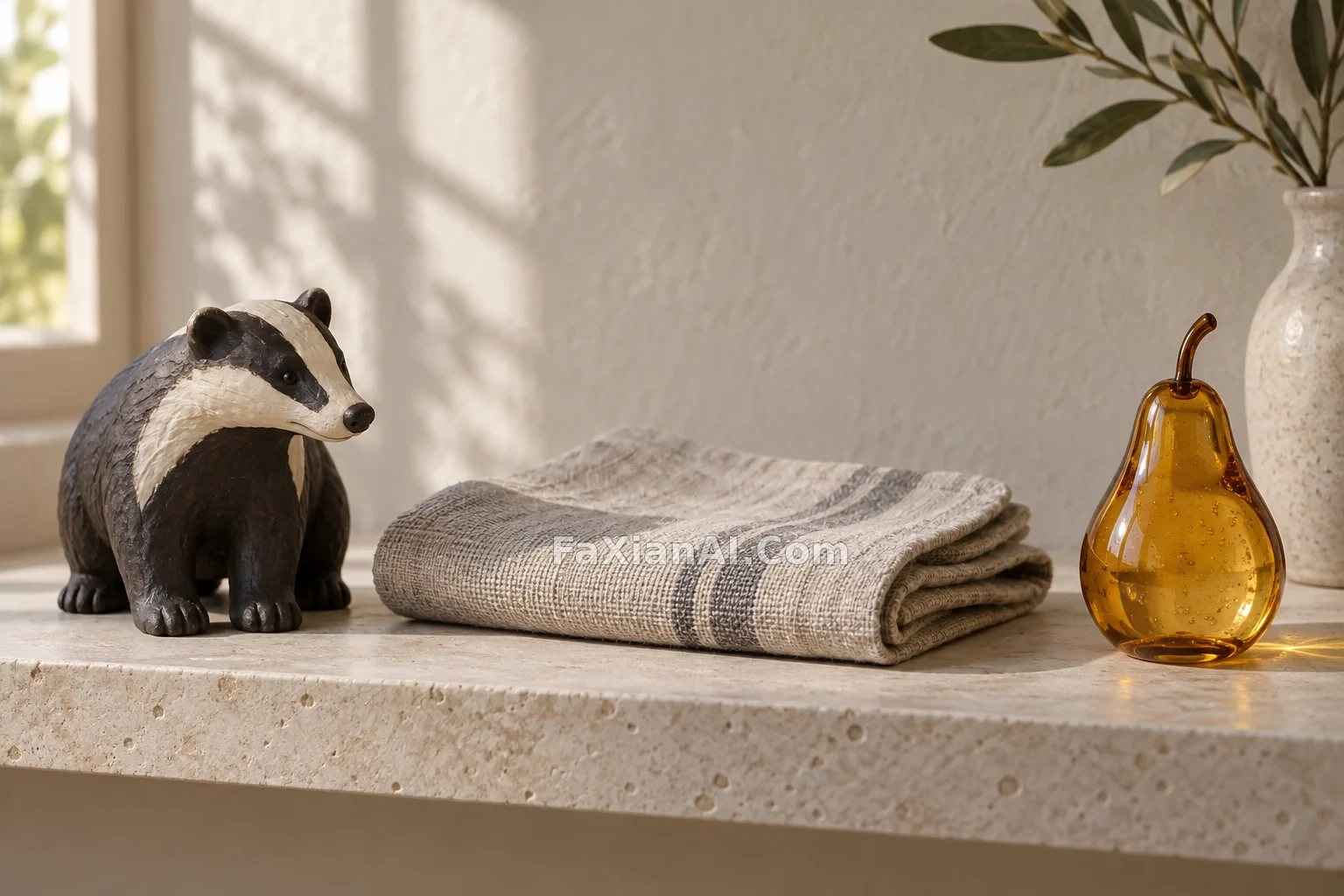
Describe visible reflections, edges and shadows instead of repeating vague claims about premium texture.
Give matte surfaces small variations
The clay badger prompt specifies thumb impressions, a matte body and a low viewpoint. Directional side light gives the impressions tiny shadows; soft light without direction can flatten them. The eyes may shine while the body stays matte. Check how the paws touch the cart handle before admiring the texture: a beautiful surface cannot fix broken structure.
A Clay Badger with an Acorn Cart

Say what glass reflects
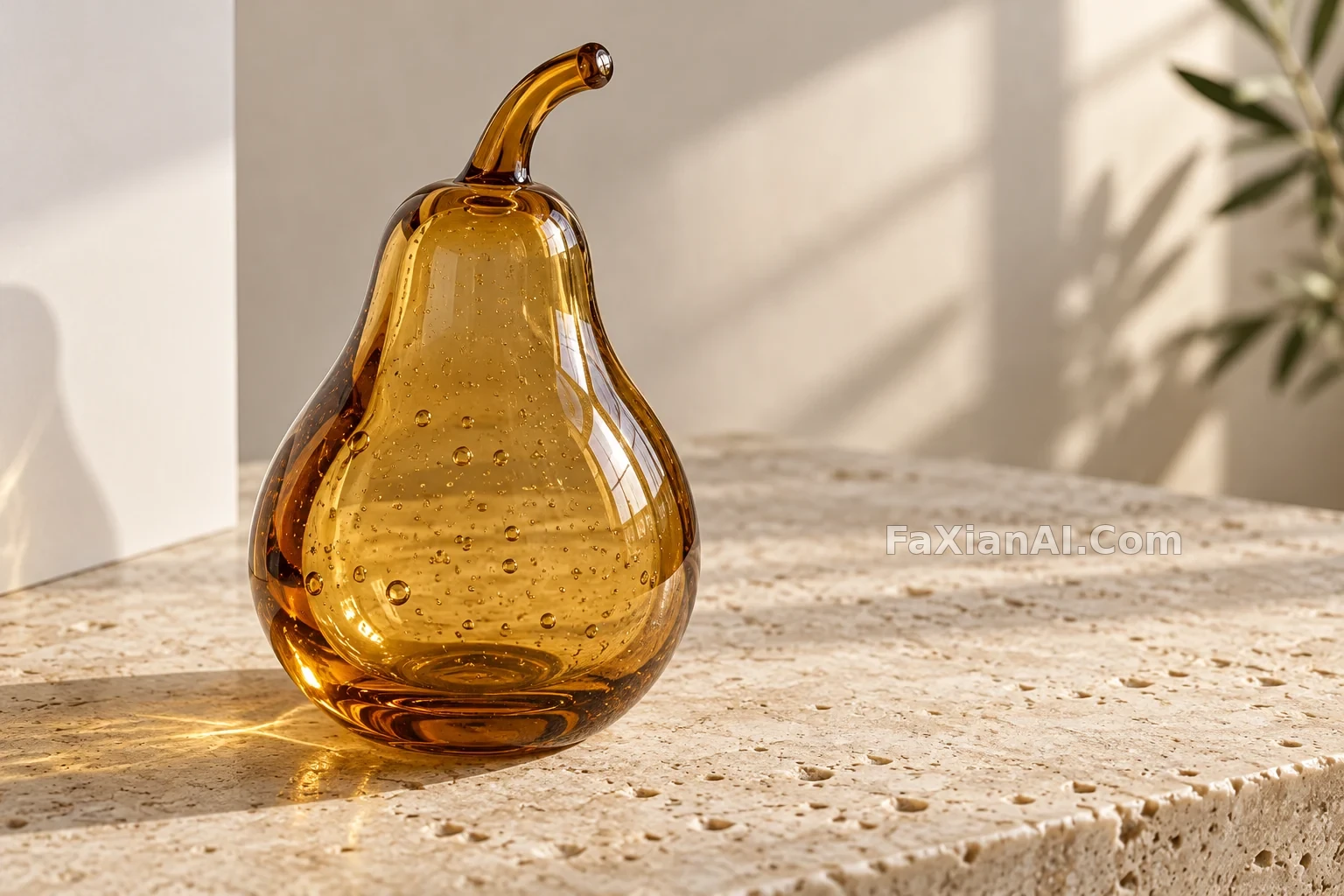
The amber pear uses white reflection cards and directional window light to explain its bright edge. Thick-wall bubbles and thin-edge refraction provide clues at different scales. Compare the existing bone-china persimmon case: glass depends more on reflected surroundings, while china depends on translucent edges. Uniform glow erases this distinction. Check the contact shadow so the object does not look pasted above its support.
Amber Light Inside a Blown-Glass Pear
Fiber direction beats a sharpening slogan
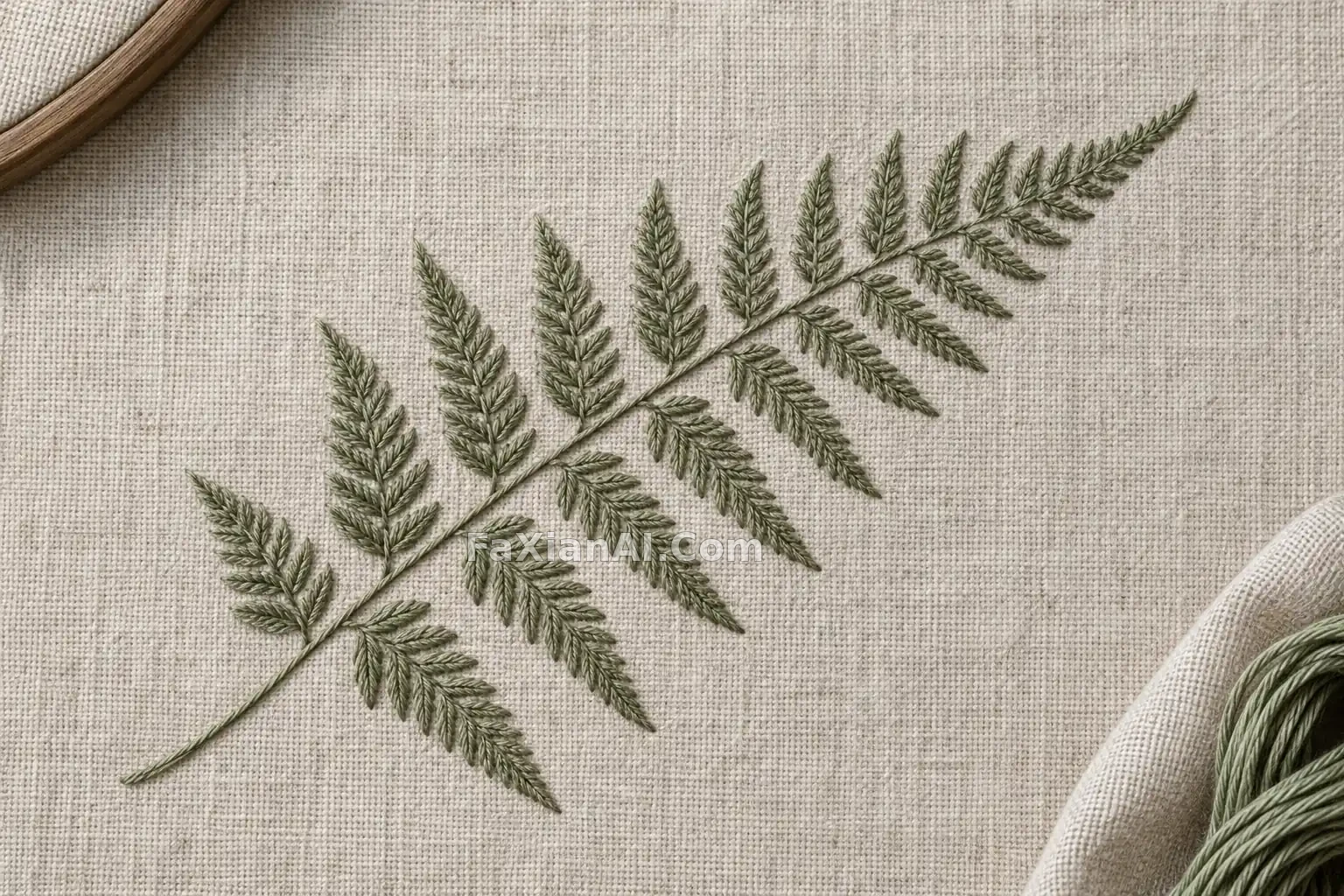
The embroidered fern combines thread twist, stitch height and linen weave. Light grazing the stitches preserves material hierarchy better than a global demand for extreme sharpness. The existing paperwave shell likewise explains structure through edge height and shadows. Fiber suits craft catalogs; glass suits a single-product hero. Keep the silhouette readable in thumbnails and prevent paper or weave grain from overpowering it.
Change one material variable at a time
Keep placement, camera and light direction. Compare matte clay with indigo enamel, then warm studio light with cool overcast window light. Record highlight width, contact shadow and fine texture. Generated edits can aim for visual consistency; they do not prove unchanged pixels. Inspect the final encoded image: blocky weave or banded transparent edges require a higher compression quality and another review, not blur.
Compare these two published cases for translucent edges and paper-layer shadows.
Persimmon Warmth Through Bone China