
Still-Life Prompts: Separate Ceramic, Glass and Silk with Window Light
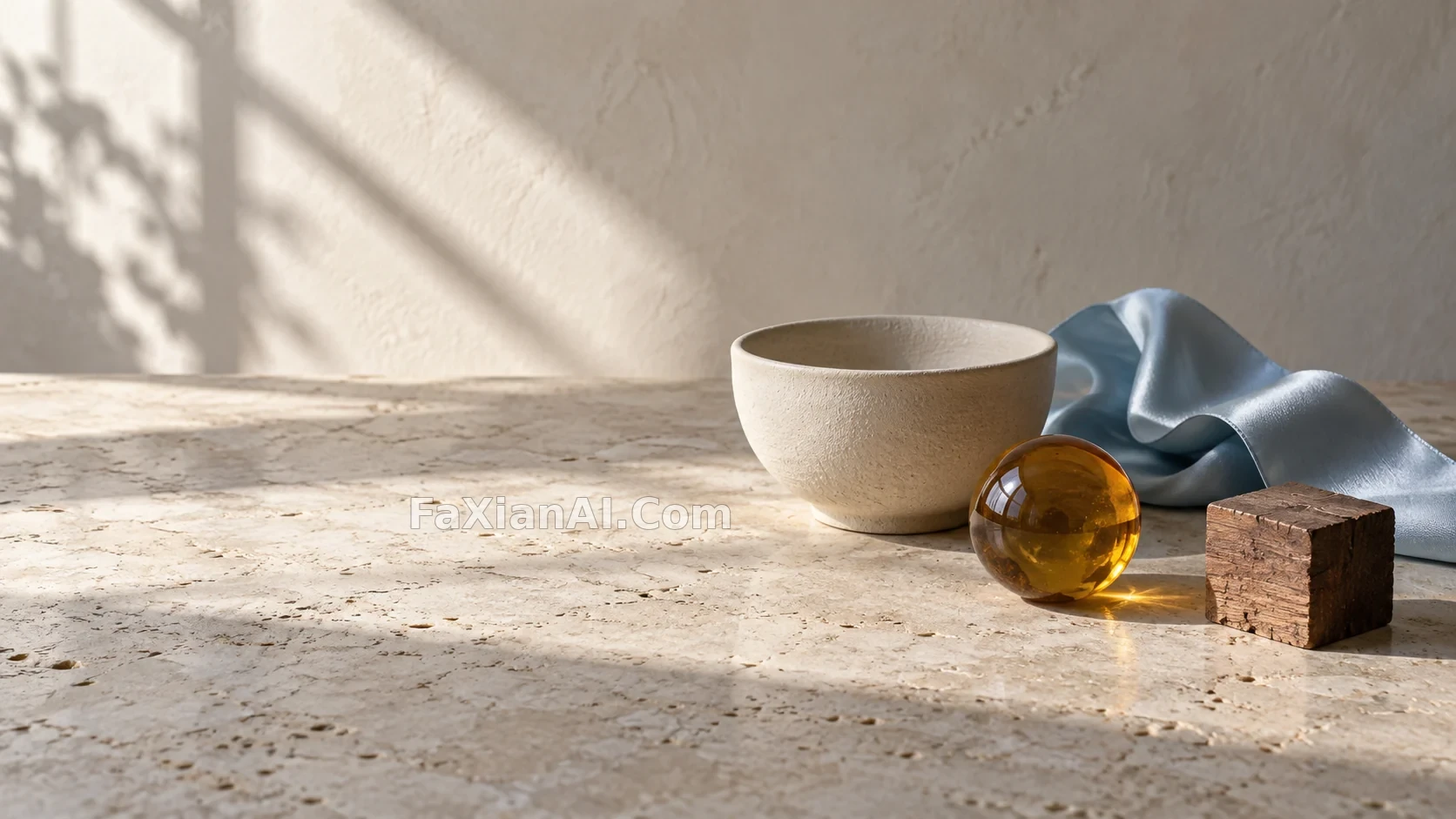
A refined still life often depends on differences between objects: ceramic scatters light, glass refracts it, and silk shines along its folds. Calling every object smooth and exquisite can make them all resemble the same plastic. Choose a few objects first, then specify how each surface responds to the same light source to create readable layers.
Ceramic: describe the glaze before the light
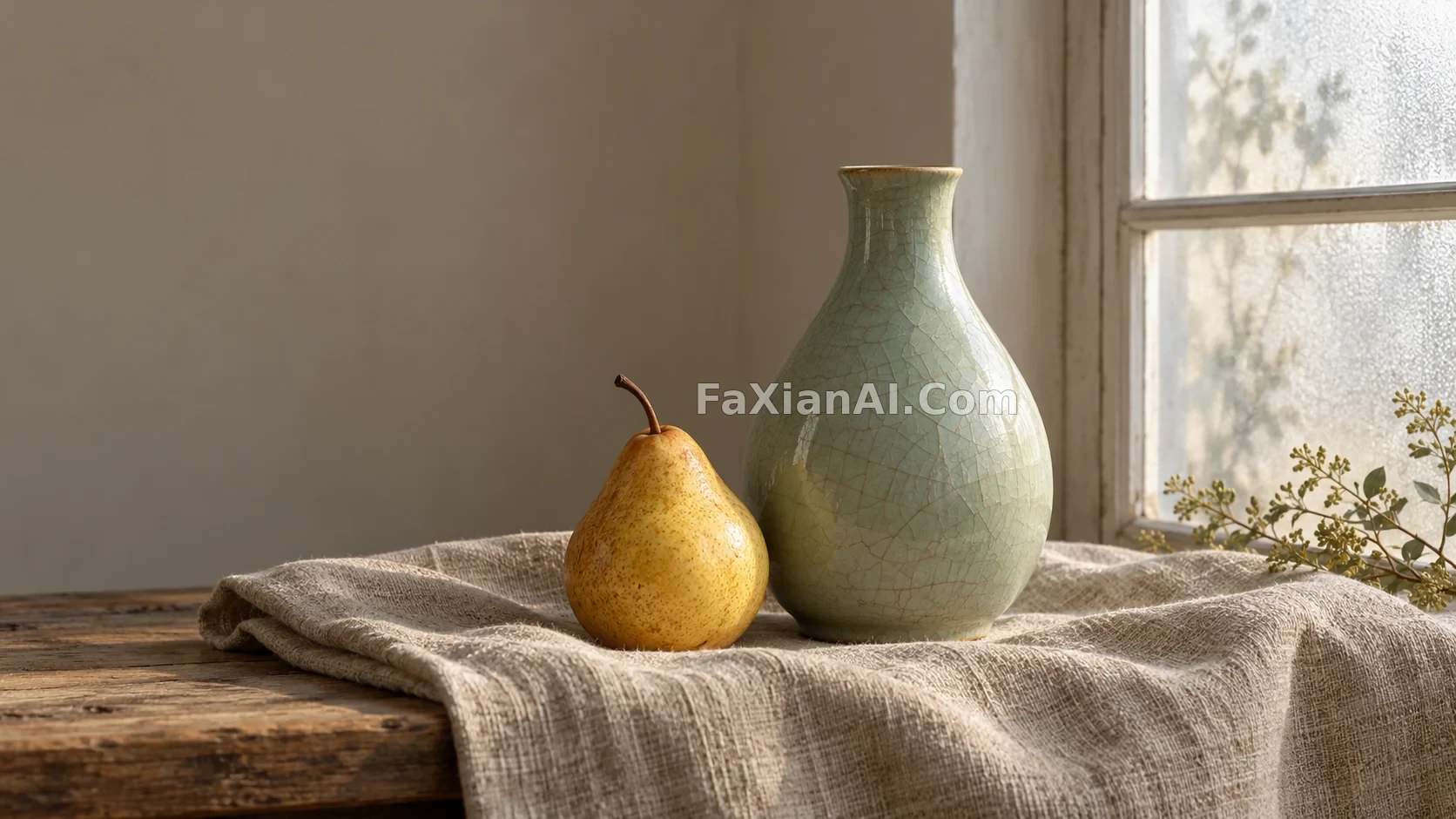
This case combines a pale crackle-glazed vase, a yellow pear and linen as three distinct surfaces. The pear-shaped silhouette echoes the fruit. Side window light reveals glaze cracks while retaining cloth fibers. Stacking luxury adjectives can obscure believable scale; specifying vase placement and an open wall at left is more useful.
Celadon and Pear in Linen Window Light
Glass: transparency should retain structure
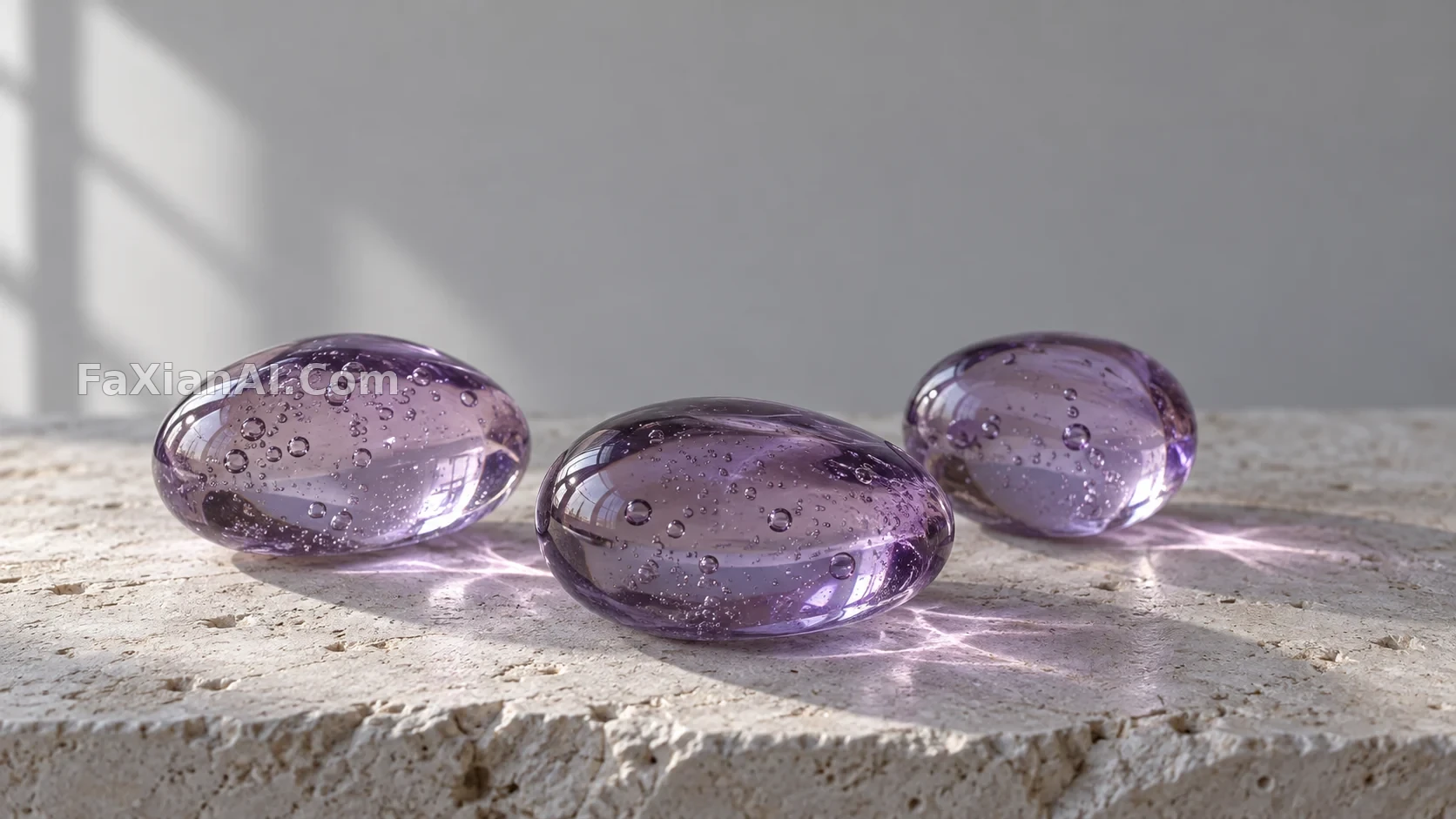
Internal bubbles and pale violet caustics give the three pebbles structure. Light stone supplies contact shadows so the glass does not float. When increasing transparency, retain edge reflections and background contrast. Strong highlights can hide bubbles and are less useful for showing internal craftsmanship.
Soft Light Through Violet Glass
Silk: organize light along the folds
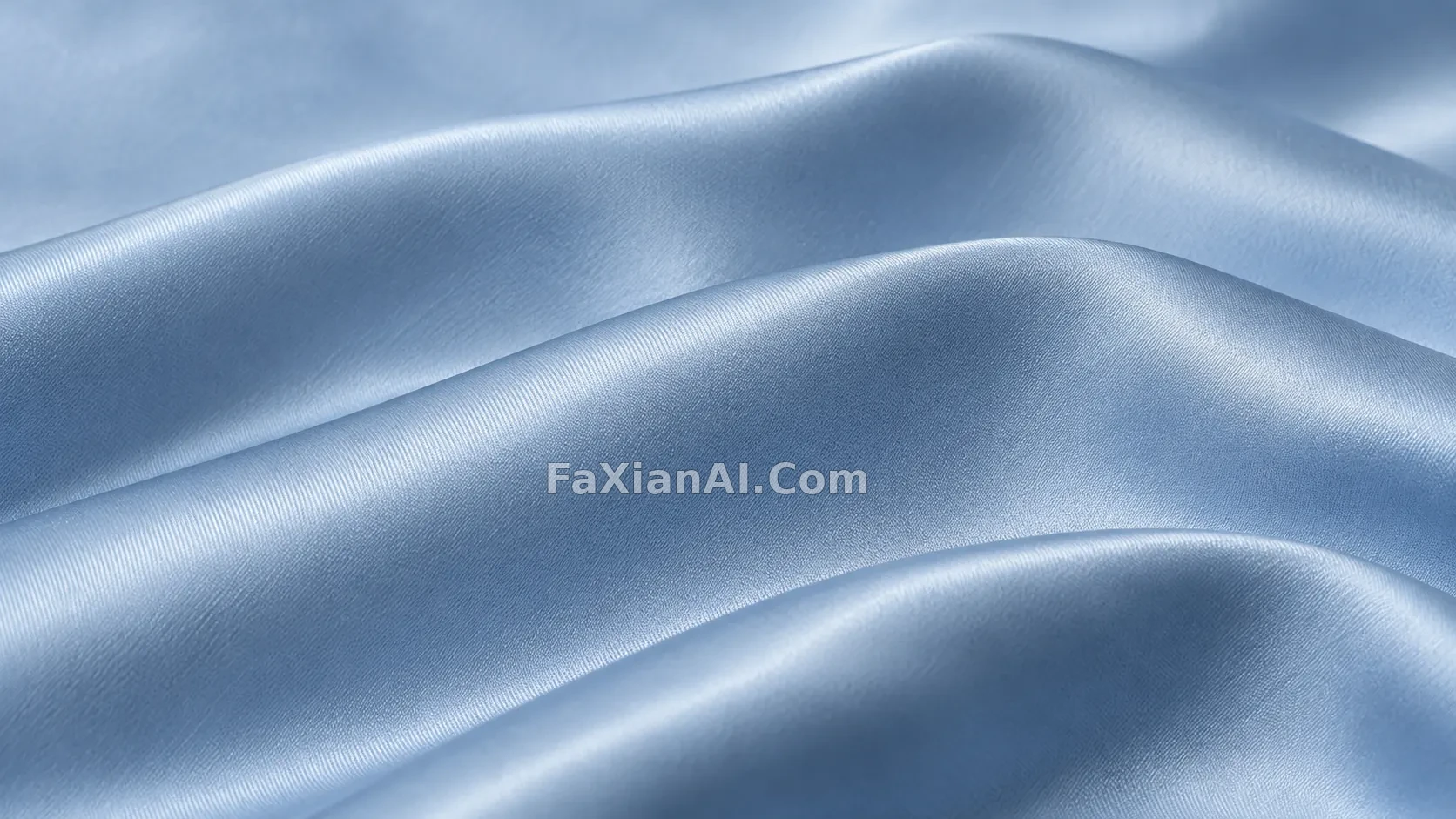
Slow wave ridges separate neighboring blues through highlights and valley shadows. Silk weave benefits from a close view; elaborate props compete with it. Check for clipped highlights and blocked shadows before deciding whether to increase illumination or change fold direction.
Change one variable at a time
Keep the celadon case's objects, composition and palette, then replace broad window light with a narrower side source. Compare the glaze highlight width and linen shadows. In the next image, restore the original light and replace only the ceramic with unglazed stoneware. This separates material changes from lighting changes. Inspect reflections, contact points and object counts: prompts cannot guarantee physical accuracy on every generation.
For further material comparisons, browse glass themes and product cases, or read the earlier article on structure and light.