
chatgpt saree edit prompt怎麼寫:顯色度對了,紗麗才不像貼圖
同一塊綠色,緞面和雪紡反出來的光完全不是一回事。這句話放在紗麗換裝上尤其準——很多人寫chatgpt saree edit prompt只寫顏色,不寫面料反光方式,出來的效果顏色對了,質感卻像貼圖糊上去的,一眼假。
chatgpt saree edit prompt 核心是顯色度,不是顏色名
紗麗好不好看,一半功勞在色號,另一半在這個色號是怎麼"反光"的。真絲是亮面高反光,棉質是啞光低反光,雪紡介於中間還帶點透。提示詞裡如果只寫"emerald green saree",模型選哪種反光方式全靠猜,穩妥的寫法是把材質詞直接塞進顏色描述裡,比如"matte cotton"或者"glossy silk",顯色度跟著材質走,而不是讓顏色單獨漂浮著。
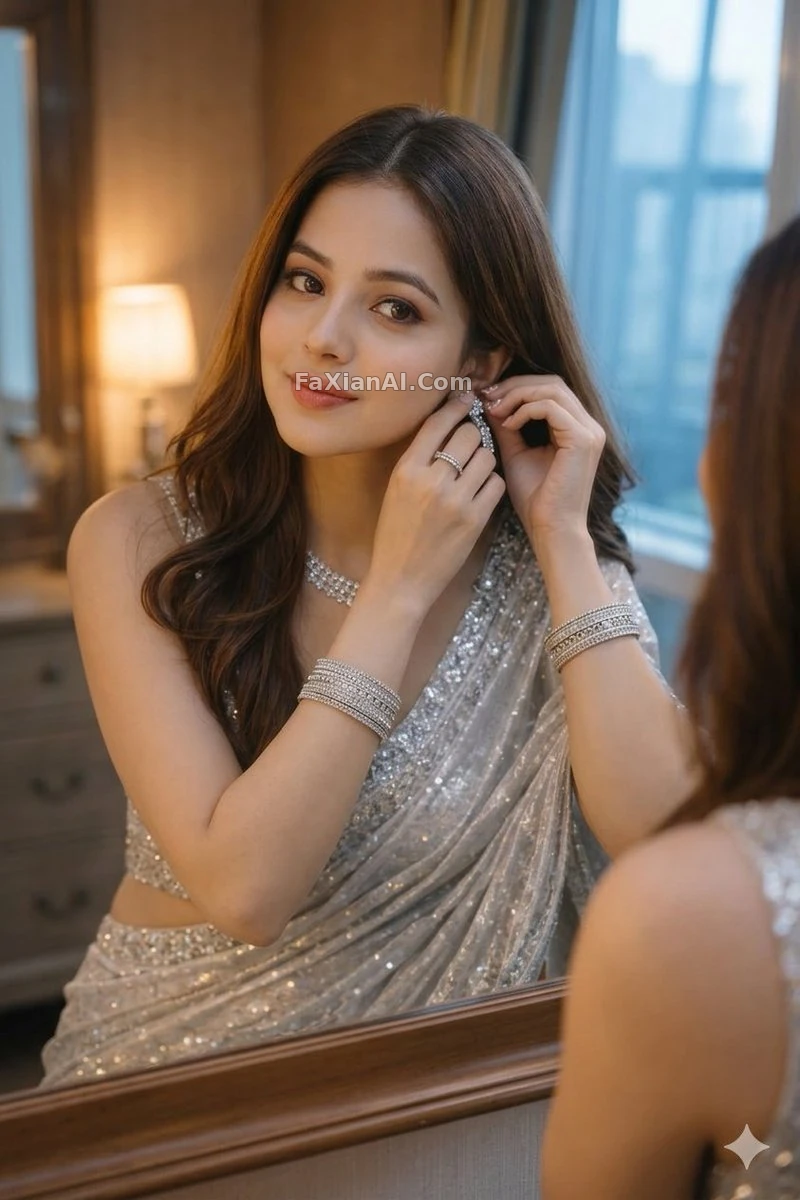
鏡前那一下反光,是首飾和麵料一起給的顯色度,檢視完整提示詞。
- Change the subject's outfit to a silk saree in deep emerald green with gold zari border, keep the face, skin tone, and pose completely unchanged, drape the pallu over the left shoulder, soft studio light.
- Recreate the same face in a matte cotton saree with block-print pattern, muted earthy tones, natural daylight, keep hairstyle and jewelry from the original photo unchanged.
- Change the fabric texture from glossy satin to matte chiffon on the same saree color, keep the drape folds natural, avoid overly shiny highlights, soft diffused light.
saree photo editing prompt 裡刺繡和披掛方式怎麼描述
刺繡密度和披掛方式,是saree photo editing prompt容易被忽略的兩個變數。密度寫得太籠統,模型容易把圖案畫成平貼的印花,而不是順著布料垂墜走向的立體刺繡。披掛方式不同地區手法也不一樣,寫清楚具體是哪種披法,比只寫"traditional saree"準得多。
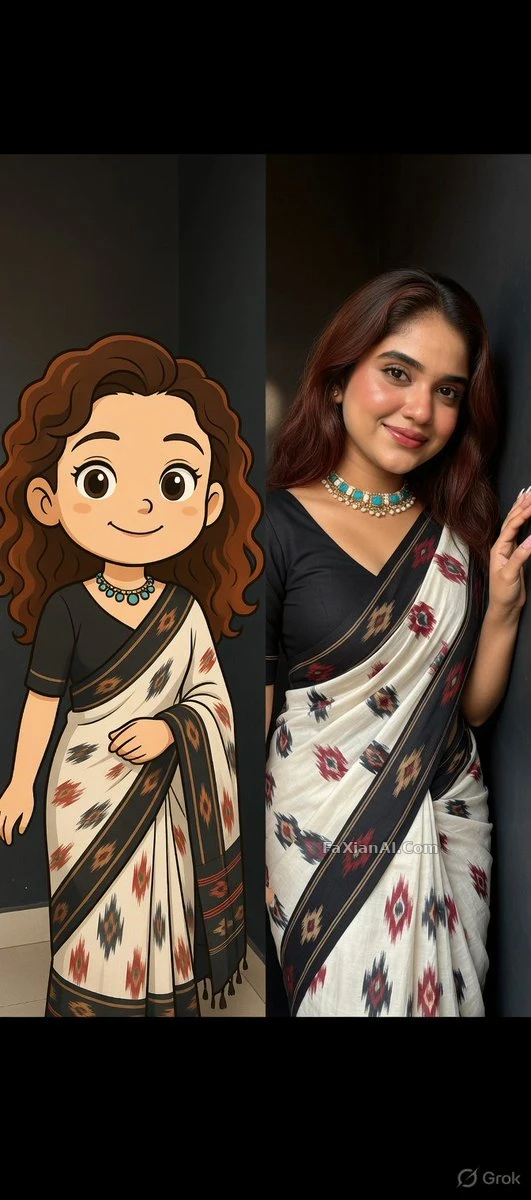
並排對比是檢驗換裝效果的笨辦法但很有用,五官一變形立刻能看出來,檢視完整提示詞。
- Adjust the embroidery detail to a finer thread density along the border, keep the base color unchanged, ensure the pattern follows the fabric drape lines instead of looking flat-printed.
- Adjust drape style from Nivi style to Bengali style for the same saree fabric, keep all facial features unchanged, describe the pleats direction explicitly to avoid a flat wrap look.
- Change the accessory set to match a traditional outfit: replace modern earrings with jhumka-style drop earrings, keep hand pose and nail details unchanged.
- Recreate the same portrait side by side: one version in the original modern outfit, one version in a traditional saree, identical lighting and camera angle for direct comparison.
- Change background to a warm-toned traditional courtyard with wooden door, keep subject's saree color and skin tone rendering consistent with the new ambient light.
traditional outfit ai edit 不止紗麗,漢服和服是同一套邏輯
traditional outfit ai edit這個需求不該只盯著一種服飾。漢服的繡紋密度、和服的腰帶系法,本質上跟紗麗的刺繡披掛是同一類問題——都是"面料+工藝細節+穿著方式"三層疊加,只是每種服飾各自的工藝名詞不一樣,寫提示詞的時候把對應的專有名詞換進去就行,邏輯不用重新想。
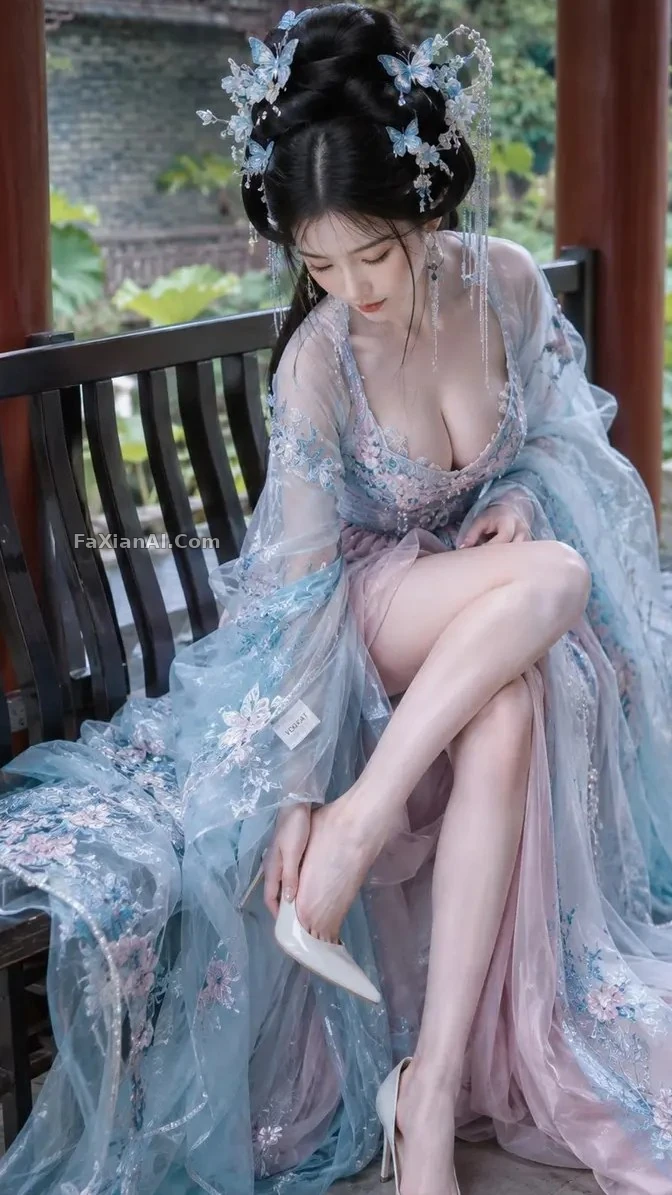
漢服換裝同樣要交代繡紋和髮髻這兩個細節,缺一個都顯得單薄,檢視完整提示圖。
- Change outfit to a red silk hanfu with embroidered phoenix motif on the sleeves, keep facial features and body proportions identical, add a classic updo hairstyle with hairpins, soft indoor light.
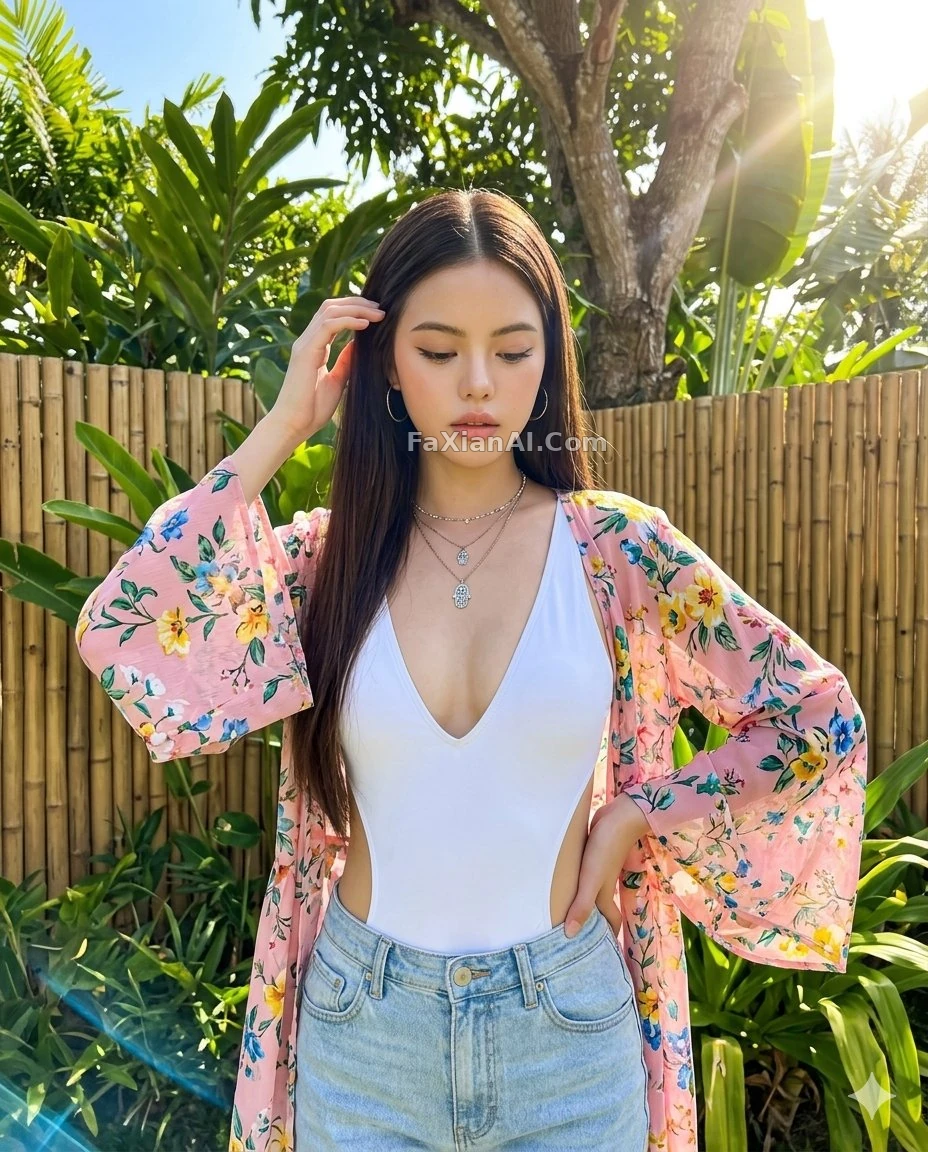
和服的腰帶系法跟紗麗披掛一樣,說清楚具體手法比籠統寫"傳統"有用,檢視完整提示詞。
- Recreate the subject wearing a tropical-print kimono layered over a plain inner robe, keep the original face and expression, warm golden hour sunlight, obi sash tied at the back.
- Change the pallu drape to cover the head loosely as a modest style variant, keep facial features fully visible and unaltered, soft warm light.
這類換裝提示詞寫的時候要記住一件事:紗麗、漢服、和服都是有具體工藝傳承的服飾,不是萬聖節costume道具,提示詞裡如果只寫風格標籤不寫具體工藝細節,很容易做出一種"景觀化"的錯覺,看著像服飾但跟真實版本的質感、穿法都脫節。多花一兩句描述具體的面料名稱、刺繡手法、披掛方式這些專有名詞,出來的效果和對這件衣服本身的尊重程度都會不一樣。
換裝類提示詞最容易翻車的一條
不管換哪種傳統服飾,面部一致性都是第一位的要求,提示詞裡"保持臉部特徵不變"這句話不能省,不然換裝換到最後可能連人都換了。這個問題跟這篇人物一致性怎麼保住講的是同一件事,顏色顯色度可以慢慢調,臉對不上就白搭一整套精心寫的材質描述。
各類服飾的提示詞能直接套用在Nano Banana上,材質和刺繡密度這類描述在兩邊效果差別不大。想再看看其他人像換裝的素材,去人像寫真分類翻一翻,卡通化換裝的寫法可以對照卡通頭像轉繪的思路一起參考,首頁也有完整分類導航。