
Materials, Scale, and Light: A Three-Step Prompt Consistency Check
A prompt can sound rich and still produce an unconvincing image. The usual problem is internal conflict: the material implies one construction, the scale suggests another, and the lighting cannot explain the surface response. Before adding more style terms, review the prompt in three passes—materials, scale, and light.
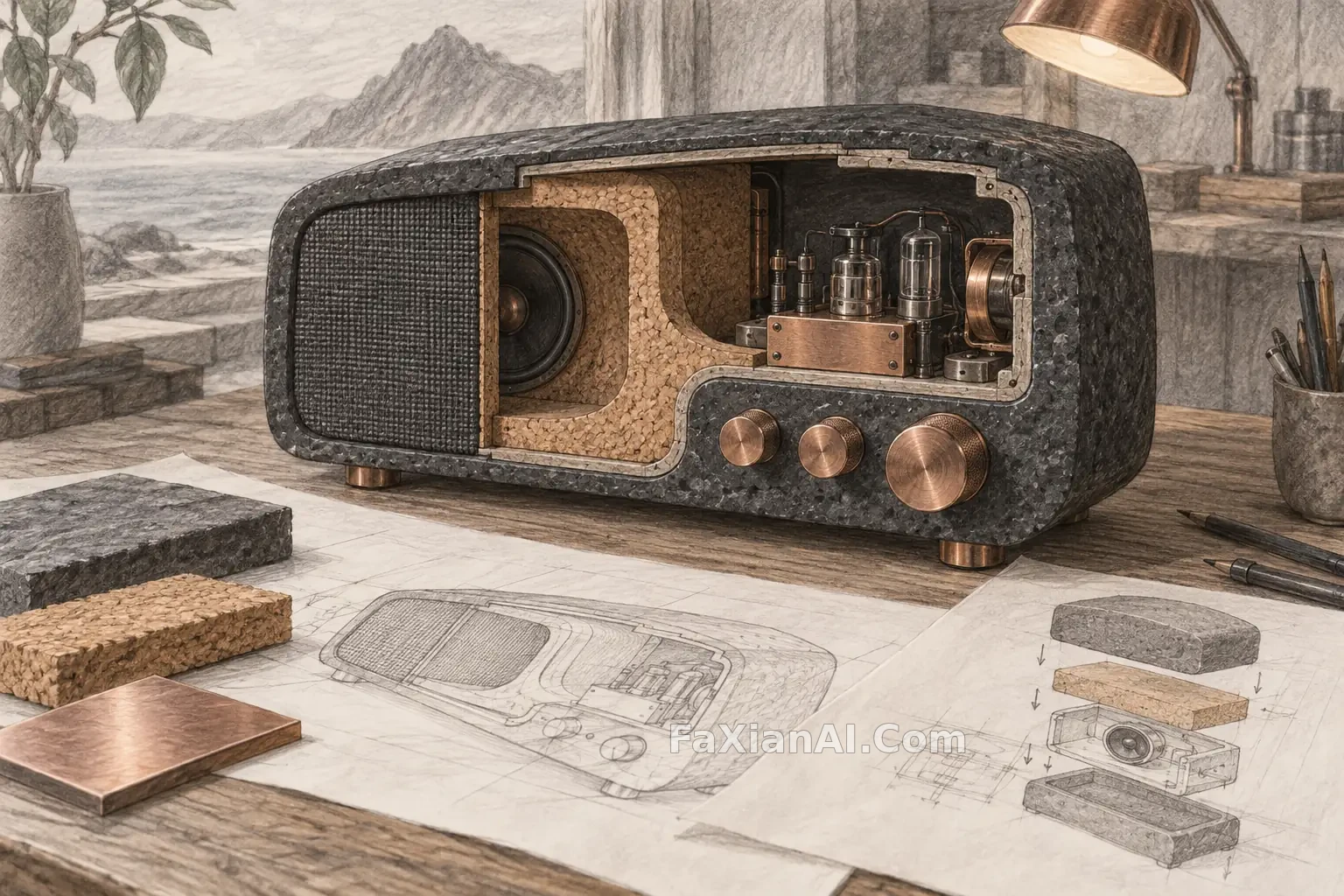
Materials must shape structure, not merely color
The basalt radio cutaway gives each material a job. Basalt forms the heavy shell, cork creates an acoustic chamber, and copper is reserved for the controls. That produces a clearer brief than “a stone-textured radio.” For a product image, also check whether seams, supports, and replaceable parts can be understood from the frame.
Scale needs references and consistent interaction
The miniature watch-repair workshop establishes size through screws, gears, ladders, and the actions of adult workers. Without those relationships, a model may turn a giant pocket watch into an ordinary clock or change tool proportions across the scene. State who is operating what, and how bodies, tools, and the main object physically meet.

Light should explain the surface, not hide it
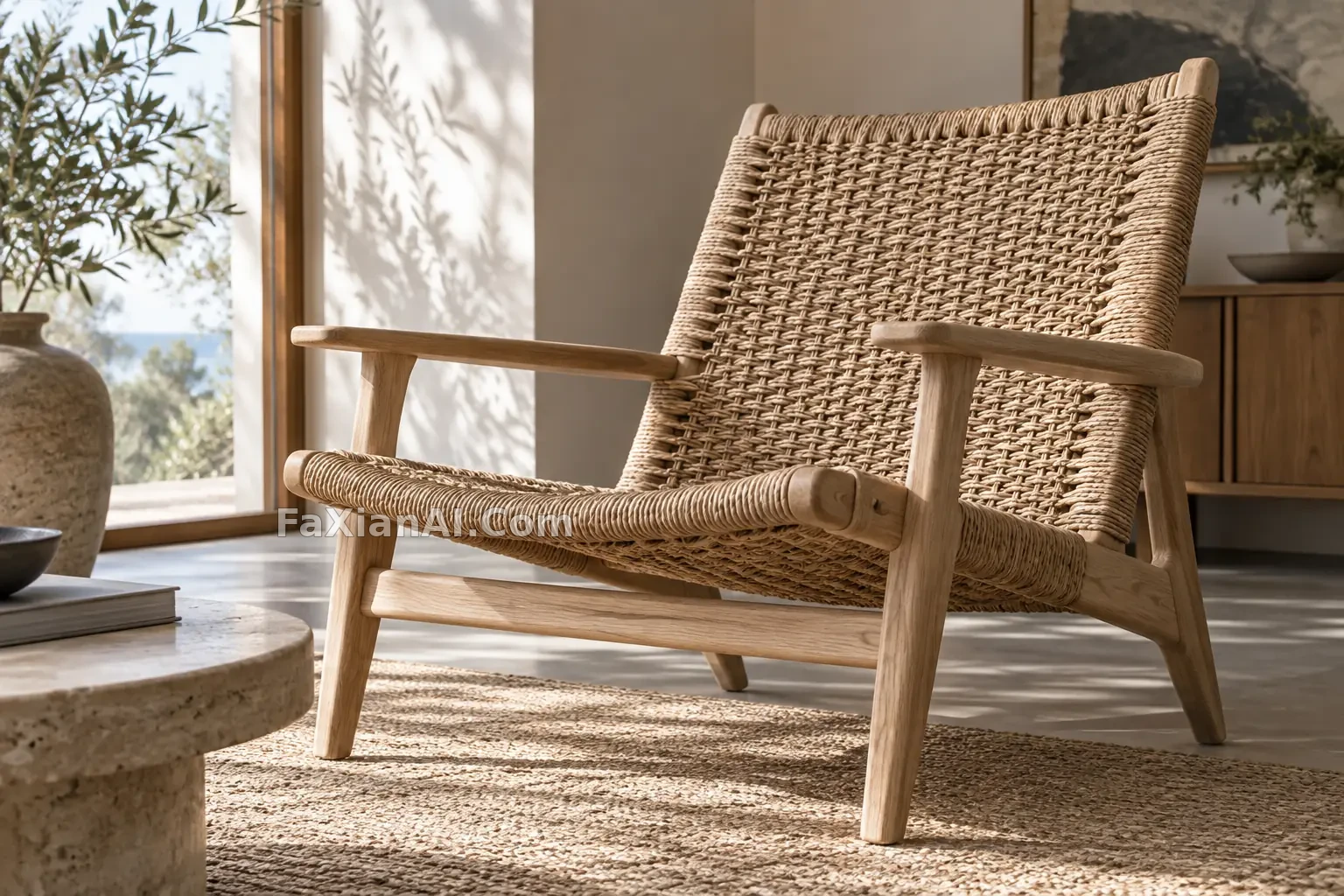
The pear-tinted perfume bottle uses rippled glass, leaf-shaped caustics, and a translucent key light to describe clear material. The woven seagrass chair needs softer side light to reveal fiber tension and the feel of its wooden frame. Transparent and woven materials therefore need different lighting logic even when both are product photographs.
Put three questions into the final review
Before generating, ask: Does the material change thickness, joints, or reflection? Is there a stable scale reference? Can the key-light direction explain the important surfaces? Explore more in the design category, the product-photography tag, and the structural prompt guide from timelines to cutaways.